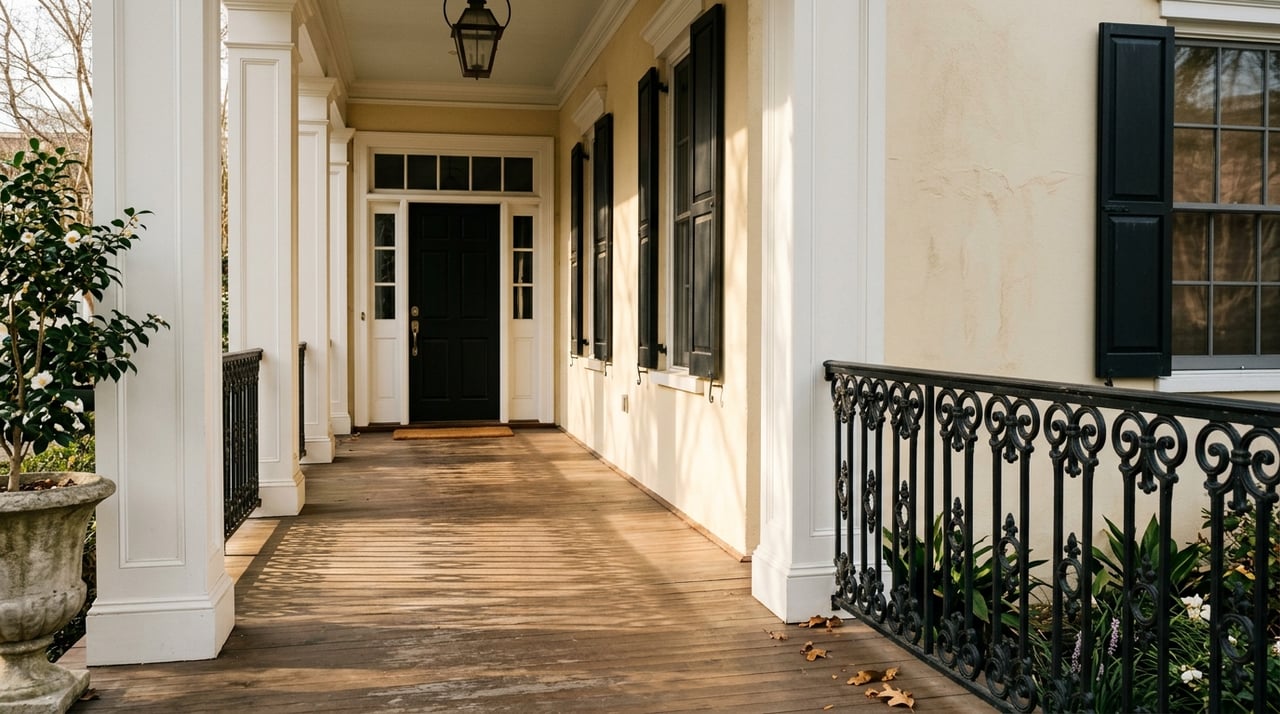
If you have ever walked beneath the oaks of the Garden District and wondered why the neighborhood feels so unforgettable, the answer is in the architecture. This is not a place defined by one look or one era. It is a layered residential district where grand mansions, raised cottages, shotgun homes, and ornate ironwork all tell part of the story. In this guide, you will get a clear look at the styles, details, and preservation features that shape the Garden District’s identity and why they still matter today. Let’s dive in.
Why the Garden District Stands Out
The Garden District is one of New Orleans’ most important historic residential neighborhoods. It began as Faubourg Livaudais in 1832, grew into an elite suburban district for American merchants in the late 1840s, and was annexed into New Orleans in 1852.
Its historic significance has been recognized at several levels. The neighborhood was listed on the National Register of Historic Places in 1971, designated a National Historic Landmark in 1974, and received local historic district designation in 2007.
What makes the area so visually compelling is its range. Instead of presenting a single architectural style, the Garden District reads like a preserved timeline of New Orleans residential design, with homes and streetscapes that evolved over multiple building periods.
Signature Garden District Features
Before you focus on any one style, it helps to notice the common elements that tie the neighborhood together. Many homes are two stories and raised above grade, with large landscaped lots, front gardens, cast-iron fences, or masonry walls.
You will also see galleries, tall windows, mature trees, and a strong relationship between homes and the street. These features give the neighborhood its quiet residential presence while still feeling elegant and unmistakably New Orleans.
The HDLC describes the district’s development in phases, from the 1840s through later infill construction. That long growth period helps explain why the streetscape feels rich and varied rather than uniform.
Greek Revival Architecture
Greek Revival is the style most closely tied to the Garden District’s antebellum identity. If you picture formal symmetry, classical columns, centered entry halls, and balanced proportions, you are picturing one of the district’s defining architectural languages.
In the Garden District, Greek Revival appears in raised center-hall cottages, side-hall townhouses, and larger two-story center-hall homes with double galleries. These homes often feel orderly and dignified, with facades designed to create a strong sense of structure and scale.
Well-known examples include the Toby-Westfeldt House and Buckner Mansion. Even if you do not know these homes by name, their features help set the visual tone many people associate with the neighborhood.
What to Notice in Greek Revival Homes
When you are touring the area, look for these common Greek Revival traits:
- Symmetrical facades
- Tall classical columns
- Formal entry placement
- Raised main living areas
- Double galleries on larger homes
- Strong, clean proportions
These details create a stately look that still feels timeless today.
Italianate Architecture
Italianate homes bring a softer and more decorative mood to the district. Where Greek Revival often feels formal and restrained, Italianate architecture tends to feel more ornate and picturesque.
This style is often marked by low-pitched roofs, bracketed eaves, tall windows, and arches. In the Garden District, Italianate design appears on both large houses and smaller homes with decorative front facades.
Examples often associated with the style include the Morris-Israel House, the Carroll-Crawford House, and Colonel Short’s Villa. Colonel Short’s Villa is especially well known for its striking cast-iron fence, which shows how ironwork can become a major part of a home’s visual identity.
Why Italianate Details Matter
Italianate architecture adds texture and variety to the neighborhood. It also highlights one of the Garden District’s greatest strengths, which is its ability to feel elegant without feeling repetitive.
When you see bracketed rooflines, arched openings, or decorative trim, you are seeing a style that helped move the district beyond a purely classical look. That variation is a large part of what keeps the streetscape so visually engaging.
Queen Anne and Eastlake Homes
The Garden District’s story did not end before the Civil War. Later Victorian-era homes show how the neighborhood continued to evolve into the late 19th century.
Queen Anne houses often feature asymmetry, gables, spindlework, and layered ornament. These homes feel livelier and less formal than many of the earlier Greek Revival residences.
The district includes examples such as the Trufant House and the Dugan House, along with one of the area’s few Eastlake homes. Together, these later properties show that the Garden District is more than an antebellum postcard. It is a neighborhood shaped by changing tastes over time.
Shotguns, Cottages, and Smaller Historic Homes
One of the most interesting parts of the Garden District is that it includes more than grand mansions. The neighborhood also contains shotgun cottages, Creole cottages, camel-backs, and smaller Victorian-front homes.
These more modest forms are important because they broaden the architectural story. They show that the district developed with a range of housing types, not just large estates.
A great example is the Seven Sisters, also known as Brides Row. These homes share the same shotgun floor plan, but their facades alternate between Greek Revival and Italianate design, showing how one basic structure can take on very different visual character.
Cast Iron, Gardens, and Street Presence
In the Garden District, architecture is not just about the house itself. The setting matters too.
Cast-iron fences, masonry walls, front gardens, galleries, and shaded sidewalks all help shape the neighborhood’s identity. Large lots and landscaped setbacks create a sense of openness that distinguishes the district from denser urban blocks in other parts of New Orleans.
This combination of architecture and landscape gives the area its signature rhythm. It is one reason the neighborhood feels both visually grand and comfortably residential.
Adaptive Reuse Adds Another Layer
Historic neighborhoods stay relevant when they can absorb change without losing their character. In the Garden District, adaptive reuse is part of that story.
The Rink, built in the 1880s as a skating rink and later converted into a shopping arcade, is a strong example. It shows how older buildings can take on new uses while still contributing to the district’s historic identity.
For buyers, owners, and anyone interested in long-term neighborhood value, this matters. It suggests that preservation and evolution do not have to be in conflict when changes are handled thoughtfully.
What Architecture Means for Ownership
Owning a historic property in the Garden District can be deeply rewarding, but it also comes with responsibilities. Because many homes include woodwork, stuccoed masonry, cast iron, galleries, older roofs, and mature landscaping, regular maintenance is a major part of protecting the property.
In New Orleans, moisture, humidity, heat, flooding, and termites all put stress on older homes. Preservation guidance emphasizes the importance of inspecting roofs and gutters, keeping water away from foundations, watching for rot and termite damage, and repainting exterior wood before deterioration becomes severe.
Historic Windows and Doors
Original wood windows and shutters are often seen as a defining asset in historic New Orleans homes. Preservation guidance notes that many were made from durable old-growth cypress or pine and can last for centuries when maintained properly.
That is important for both buyers and sellers. Careful repair can preserve authenticity and function, and thoughtful restoration may matter just as much as cosmetic updates when it comes to a home’s long-term appeal.
Remodeling in a Historic District
If you are considering updates to a Garden District property, the local review process is part of the picture. The HDLC reviews new construction and holds public hearings for demolitions, and it can cite owners for failure to maintain buildings properly.
In practical terms, that means exterior work and major changes typically need to respect the district’s historic character. Renovation here is usually less about chasing trends and more about making careful improvements that fit the architecture.
For buyers, this can be reassuring. The same preservation framework that shapes renovation choices also helps protect the character that makes the neighborhood so desirable.
Why the Garden District Endures
The Garden District remains fundamentally residential, even with well-known destinations nearby such as Magazine Street, St. Charles Avenue, Lafayette Cemetery No. 1, Commander’s Palace, and The Rink. That mix gives the area a lived-in, walkable texture without taking away from its residential identity.
Its long-term appeal comes from rarity, architectural integrity, and a strong preservation culture. Scarce inventory, historic designation, and a streetscape that cannot be easily replicated all help explain why the neighborhood continues to hold such lasting value.
For buyers and sellers alike, that is the key takeaway. In the Garden District, architectural character is not just beautiful. It is part of what supports the neighborhood’s identity, ownership experience, and enduring demand.
If you are thinking about buying or selling a historic home in Greater New Orleans, working with an experienced local broker can make the process feel much more clear and manageable. For tailored guidance, personalized service, and strategic insight, connect with Jolita Burrell.
FAQs
What architectural styles are most common in the Garden District?
- Greek Revival and Italianate are the best-known styles, but you will also find Queen Anne, Eastlake, shotgun homes, Creole cottages, camel-backs, and other Victorian-era forms.
What makes Garden District homes look different from other New Orleans homes?
- Many Garden District properties feature raised two-story forms, large landscaped lots, galleries, cast-iron fences or masonry walls, and a layered mix of architectural styles developed over several decades.
Can you remodel a historic home in the Garden District?
- Yes, but exterior changes, new construction, and demolitions are reviewed locally, so updates typically need to respect the property’s historic character.
Is the Garden District only known for mansions?
- No. The neighborhood also includes smaller historic homes such as shotgun cottages, Creole cottages, camel-backs, and modest Victorian-front houses.
Does owning a Garden District home require more maintenance?
- In many cases, yes. Older homes in New Orleans often need ongoing attention to roofs, gutters, drainage, paint, woodwork, windows, ironwork, and moisture-related issues.
Why does the Garden District hold long-term appeal?
- Its appeal comes from scarce inventory, strong architectural character, historic designations, and a preservation framework that helps protect the neighborhood’s identity over time.
