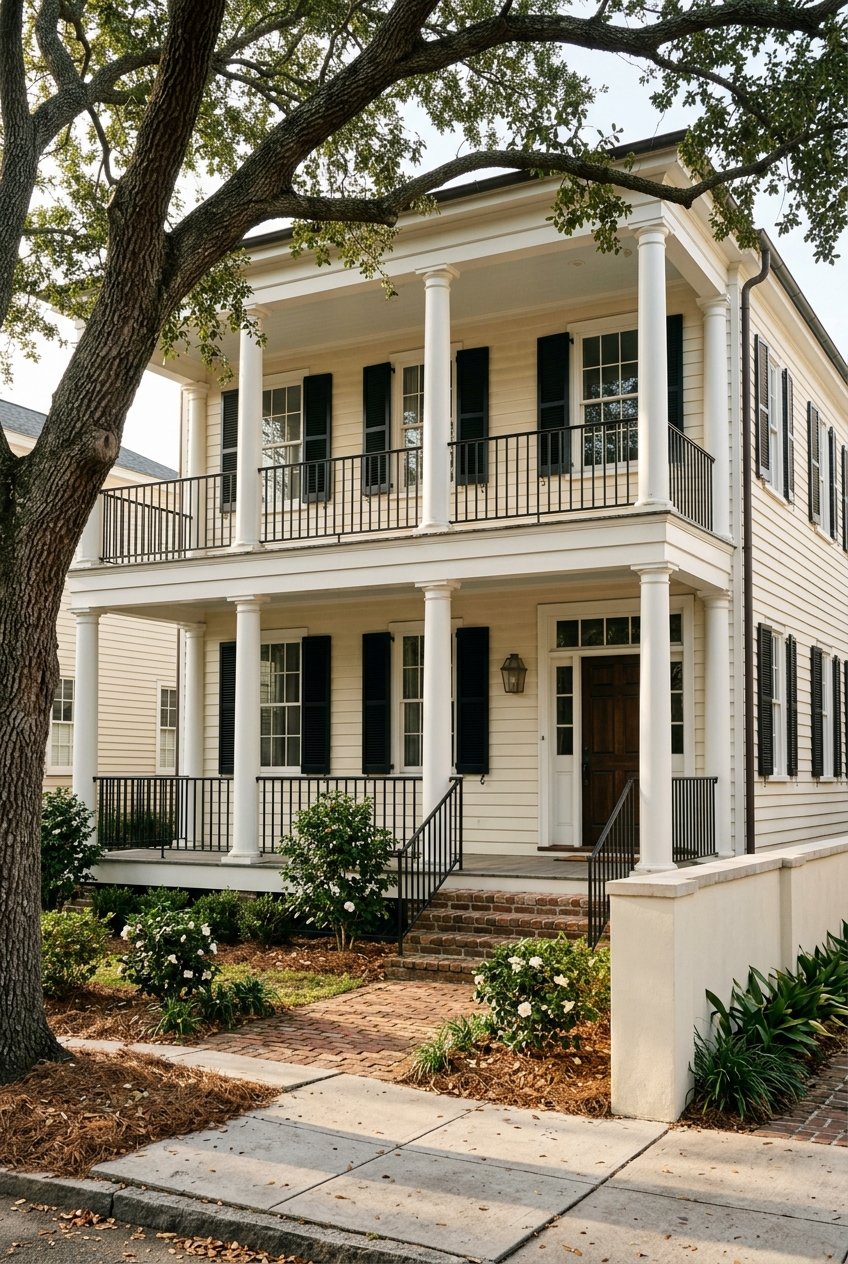
Have you ever visited a neighborhood that feels both polished and deeply lived-in? That is part of the Garden District’s appeal. If you are curious about what day-to-day life actually looks like here, this guide will help you understand the rhythm, convenience, and character of one of New Orleans’ most recognizable residential areas. Let’s dive in.
What daily life feels like
The Garden District is known for shaded streets, historic homes, and a strong sense of place. In New Orleans, it sits in Uptown and is widely recognized for classic architecture, mature oak trees, and a residential setting that still connects easily to shopping and dining.
What makes everyday living here interesting is the balance. You get beauty and history, but you also get practical routines like grocery runs, coffee stops, and neighborhood walks. It is not simply a postcard setting.
A historic neighborhood with real variety
One common assumption is that the Garden District is only made up of grand mansions. In reality, the city’s historic-district materials describe a mix of large residences, smaller homes, and multiple architectural styles.
That variety matters if you are thinking about living here. It means the neighborhood offers more than one type of home experience, while still maintaining the visual character people associate with the area.
The district’s history also shapes how it feels today. The area began as Faubourg Livaudais, became the City of Lafayette in 1833, and was annexed into New Orleans in 1852. That long history still shows up in the streetscape, traditions, and the neighborhood’s tightly connected identity.
Walkability is a major lifestyle perk
If you value being able to step outside and enjoy your surroundings, the Garden District stands out. Walking is central to how people experience the area, with oak-lined streets, landscaped lots, and a layout that encourages you to move through the neighborhood at a slower pace.
For many residents, that walkability supports more than leisure. It also helps with everyday routines, from heading out for coffee to reaching nearby shops and casual dining options.
Streetcar access adds convenience
The St. Charles Avenue streetcar is one of the neighborhood’s signature features. The St. Charles Line #12 runs directly through the Garden District, and current RTA service in the area also includes lines 11 and 91.
That transit access gives you options. You may still choose to keep a car, but many daily trips can be supported by a mix of walking, streetcar service, rideshares, taxis, and bike share.
What to know about parking
The Garden District has a more urban setup than many suburban neighborhoods. The city’s historic-district materials note that many residents rely on street parking.
That is an important everyday detail. If you are comparing the Garden District to areas with larger garages or more private off-street parking, this is one of the lifestyle differences to keep in mind.
Running errands in the Garden District
A neighborhood can be beautiful, but it also has to work for daily life. Here, nearby grocery access helps make the area feel functional as well as charming.
The RTA system map identifies Breaux Mart on Magazine Street and The Fresh Market on St. Charles Avenue among grocery stops serving the area. For many people, that supports a routine where errands can stay close to home.
Magazine Street supports daily living
Magazine Street is the area’s main everyday retail corridor. It stretches through the Garden District and nearby Uptown, with a mix of shops, bakeries, casual food spots, bars, and restaurants.
In practical terms, this means you are not relying on a single-use residential pocket. The neighborhood connects to a corridor where shopping and casual meals can fit naturally into your week.
Dining options feel both elegant and easy
The Garden District offers a wide range of dining experiences. Commander’s Palace is one of the area’s best-known landmarks for fine dining, while neighborhood guides also point to more casual options like coffee, pastries, lunch spots, and brunch along Magazine Street.
That mix helps define the area’s personality. You can enjoy a special occasion close to home, but you can also keep things simple on an ordinary weekday.
Community anchors add character
Great neighborhoods usually have places that people return to again and again. In the Garden District, The Rink at Prytania and Washington is described in city historic materials as a longtime gathering place for residents.
Trinity Episcopal Church is another local landmark with roots going back to the 1840s. Together, these places reinforce that the Garden District is more than a visitor destination. It is a neighborhood with established community touchpoints.
Green space shapes the atmosphere
Part of the Garden District’s appeal comes from its greenery. The city highlights the famous oaks along the St. Charles Avenue neutral ground, and nearby civic spaces such as Lafayette Square and Coliseum Square contribute to the area’s sense of openness and shade.
Even in an urban setting, that landscape softens daily life. It helps create the calm, graceful look that many people associate with this part of New Orleans.
Historic landmarks are part of the setting
Lafayette Cemetery No. 1 remains one of the district’s defining historic landmarks. It was founded in 1833 and is recognized as a National Historic Landmark.
However, it is currently closed to the public while repairs and improvements take place. So while it remains an important part of the neighborhood’s identity, it should not be thought of as an everyday public amenity right now.
Preservation rules matter for homeowners
If you are considering buying in the Garden District, the neighborhood’s historic status is important. The Garden District Association states that it is a Local Historic District, and the city-approved district places certain work under HDLC jurisdiction, including new construction, demolition, and demolition by neglect in the partial control area.
In everyday terms, exterior changes can be more regulated here than in newer neighborhoods. For many buyers, that is part of the tradeoff. These rules help preserve the look and feel that make the area so distinctive.
Is the Garden District practical for everyday life?
For many people, yes. The combination of walkability, streetcar access, nearby grocery options, dining, shopping, and a true residential setting makes it more than a place to admire from the outside.
It is best understood as a neighborhood where historic character and daily convenience meet. If you want an urban environment with strong architectural identity and a connected feel, the Garden District offers a lifestyle that is hard to replicate.
If you are thinking about buying, selling, or investing in a New Orleans neighborhood with lasting appeal, working with an experienced local advisor can help you match the lifestyle to the right property strategy. Reach out to Jolita Burrell for thoughtful, personalized guidance.
FAQs
Can you live in New Orleans’ Garden District without a car?
- For many routines, yes. The area is supported by walking, the St. Charles streetcar, other RTA lines, rideshares, taxis, and bike share, though many residents still keep a car.
Is the Garden District only made up of mansions?
- No. City historic-district materials describe a mix of grand residences, smaller homes, and different architectural styles.
Where do Garden District residents run everyday errands?
- Magazine Street is the main retail corridor, and nearby grocery access includes Breaux Mart on Magazine Street and The Fresh Market on St. Charles Avenue.
What is parking like in the Garden District?
- Street parking is common, according to the city’s historic-district materials, so parking may feel different from more garage-oriented neighborhoods.
Are there rules for exterior home changes in the Garden District?
- Yes. Because it is a Local Historic District, certain exterior work falls under HDLC jurisdiction, which helps preserve the neighborhood’s historic character.
