Buying in the Garden District can feel like stepping into a piece of New Orleans history. That is part of the appeal, but it also means you are not buying a cookie-cutter home with predictable systems and finishes. If you are considering a purchase here, you need a clear plan for inspections, upkeep, insurance, and any future renovations. Let’s dive in.
Why Garden District homes are different
The Garden District is one of New Orleans’ best-known historic areas, developed from the 1840s through the early 20th century. The City of New Orleans identifies it as a local historic district, and it is also listed on the National Register of Historic Places and designated a National Historic Landmark.
In practical terms, that history shapes what you are buying. Homes here often feature Greek Revival, Italianate, Queen Anne, Eastlake, shotgun, and other period styles, along with double galleries, large porches, ornamental ironwork, and older wood or masonry materials.
That charm is real, but so is the responsibility that comes with it. Instead of comparing one newer build to another, you are often evaluating long maintenance histories, past repairs, and changes made over many decades.
Start with the home’s exterior shell
When you buy an older home in the Garden District, the first priority is the building envelope. That means the roof, flashing, gutters, drainage, masonry, and any signs of moisture intrusion or wood rot.
The National Park Service notes that a weather-tight roof is essential to preserving a structure. If a roof leaks or drainage fails, damage can spread into masonry, wood, plaster, and paint.
You should pay close attention to warning signs like:
- Water stains
- Peeling paint or plaster
- Warped or rotted wood
- Spalled masonry
- Faulty gutters or drainage issues
These issues are not always isolated. In older homes, one moisture problem can trigger several others, which is why a careful inspection early in the process matters so much.
Moisture issues need a deeper look
Moisture is often the thread that connects many repair problems in historic homes. If your general inspection raises concerns, it may make sense to bring in the right specialist before you close.
According to the National Park Service, diagnosing chronic moisture usually requires looking at the property as a whole. That can include the roof, drainage system, plumbing, ventilation, soil conditions, landscaping, and how water moves around the structure.
For you as a buyer, this matters because cosmetic updates can hide bigger issues. A fresh coat of paint may look great during a showing, but it does not tell you whether the property has had ongoing drainage or leak problems.
Check windows and porches carefully
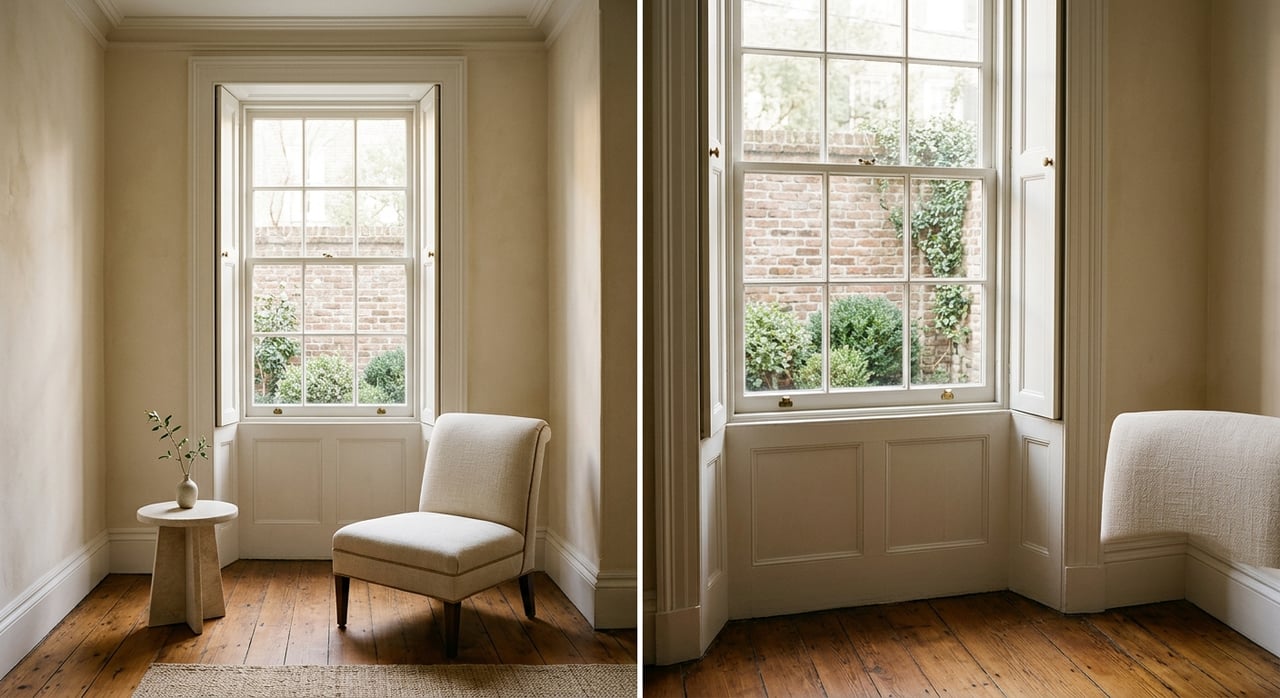
Windows and porches deserve special attention in the Garden District. These elements are major parts of a home’s appearance, and they are also common places for wear, deferred maintenance, and weather exposure.
The National Park Service notes that historic wood windows can often last for generations with regular maintenance. It also says repair is generally preferred over replacement when feasible, and energy performance can often be improved without removing historic units.
That is important if you are buying with renovation plans in mind. If the windows or porch need work, you will want to understand both the condition and how that work may fit within local historic-district review.
Don’t skip the termite inspection
In South Louisiana, wood-destroying insect risk should never be treated as a minor detail. The LSU AgCenter advises buyers to get a licensed wood-destroying insect inspection before purchase and notes that visible signs can easily be missed.
Damage may appear in places such as:
- Attic spaces
- Door and window frames
- Baseboards
- Wood floors
- Other concealed areas
The LSU AgCenter also recommends reducing termite pressure by addressing standing water, leaks, debris, and wood-to-soil contact. For a Garden District buyer, that reinforces a larger point: routine maintenance is part of protecting your investment.
Understand the HDLC review process
If you are drawn to the Garden District because of its beauty, remember that the neighborhood’s historic character is protected through local review. The City of New Orleans Historic District Landmarks Commission, or HDLC, regulates covered exterior changes, new construction, and demolition requests in local historic districts.
That means your future plans may need approval before work begins. The city’s materials state that a Certificate of Appropriateness is required for covered work, and the HDLC encourages early pre-application conversations with staff.
This process does not change property usage or zoning, according to the city’s FAQ. It does, however, affect how visible exterior work is reviewed.
Renovation plans need extra timeline room
If you expect to renovate after closing, build extra time into your plan. Exterior projects in the Garden District may require review, revisions, and approval before you can move forward.
The city’s guidance points owners toward the Secretary of the Interior’s Standards for Rehabilitation, which favor compatible repair and rehabilitation. The city also notes that Certificates of Appropriateness expire if work does not begin within six months.
Before hiring a contractor for visible exterior changes, you should confirm whether the proposed work falls under review. Common examples include:
- Porch work
- Roof replacement
- Window replacement
- Additions
- Demolition
The HDLC’s stated role is to help owners keep changes compatible with the building and the district. It is not there to review routine maintenance or force full restoration in every situation.
Budget for ongoing care, not one-time fixes
A Garden District home usually performs best with steady upkeep rather than delayed repairs. Older materials and historic details often reward regular attention, especially when it comes to roofs, gutters, drainage, moisture control, and termite prevention.
This is where buyers sometimes misjudge true ownership costs. The purchase price is only part of the story. You should also think about the ongoing cost of preserving exterior elements and responding early when smaller issues appear.
A smart budget may include:
- Routine roof and gutter maintenance
- Drainage improvements if needed
- Periodic exterior wood repair or painting
- Moisture monitoring and remediation
- Ongoing termite prevention and inspection
That approach helps you avoid larger repairs later and protects the long-term value of the property.
Verify flood risk before closing
Insurance deserves its own place in your buying plan. FEMA states that its Flood Map Service Center is the official source for National Flood Insurance Program flood-hazard information, and it also notes that most standard homeowners and renters policies do not cover flood damage.
Before closing, verify the specific property address on the FEMA flood map. If flood insurance is needed, you will want to factor that cost into your monthly and annual carrying costs from the start.
This step is especially important when you are comparing homes with similar list prices. A property’s insurance profile can affect affordability just as much as mortgage terms or expected maintenance.
Use market data carefully
The Garden District often sits above the broader New Orleans market, but it is important to read market figures in context. Recent snapshots in the research report show a median sale price of $439,837 in the neighborhood over the latest three-month period ending April 2026, compared with $349,819 citywide. The same sold-data snapshot showed median days on market of 37 in the Garden District and 93 citywide.
At the same time, a listing-based snapshot for March 2026 showed a median asking price of $324,900 and 68 median days on market. These numbers are useful as directional context, but they are not directly comparable because asking-price data and sold-price data measure different things.
For you as a buyer, the takeaway is simple: do not rely on a single headline number. In a historic neighborhood with varied property types, pricing, condition, and renovation needs can differ widely from one home to the next.
A smart buying framework for Garden District homes
If you want to buy well in the Garden District, think like a preservation-minded owner from day one. Focus first on the condition of the exterior shell, moisture risks, wood-destroying insect inspection, flood verification, and the realities of historic-district review.
That preparation helps you buy with confidence instead of surprises. It also puts you in a better position to evaluate whether a home is truly the right fit for your budget, timeline, and renovation goals.
In a neighborhood defined by architecture, history, and long-term appeal, careful planning is not just helpful. It is part of making a smart purchase.
If you are considering a Garden District home and want experienced, strategic guidance through the process, Jolita Burrell offers the kind of personalized support that helps you move forward with clarity and confidence.
FAQs
What should you inspect first when buying a Garden District home?
- Start with the building envelope, including the roof, flashing, gutters, drainage, masonry, and any signs of moisture intrusion or wood rot.
Why is moisture such a big concern in Garden District homes?
- Moisture can damage wood, masonry, plaster, and paint, and it often points to larger issues involving roofing, drainage, plumbing, ventilation, or site conditions.
Do Garden District homes need termite inspections before closing?
- Yes. The LSU AgCenter advises buyers to obtain a licensed wood-destroying insect inspection because visible signs can be missed and damage may be hidden.
Do exterior renovations in the Garden District require approval?
- Many visible exterior changes do. The City of New Orleans HDLC requires Certificates of Appropriateness for covered work such as certain porch work, roof replacement, window replacement, additions, or demolition.
Does historic-district status affect how you can use a Garden District property?
- According to the city’s FAQ, local historic district designation does not affect property usage or zoning, but it does regulate covered exterior changes.
How should you budget for a Garden District home purchase?
- Budget for recurring maintenance, possible flood insurance, termite management, and the ongoing care older exterior materials often require.
How do Garden District market numbers compare with the rest of New Orleans?
- Recent research snapshots show the neighborhood above the citywide market in median sale price, but asking-price and sold-price data should be read carefully because they measure different things.
