A buyer walks into a Warehouse District condo with a 760 credit score, a solid income, and 20 percent down ready to go. The lender pre-approves in a day. Everyone assumes the deal is a formality from here. Then the condo questionnaire comes back from the association, and the loan officer calls with news nobody budgeted for: the building doesn't qualify for the loan type the buyer was counting on. Not because of the buyer. Because of the building.
This is not a rare fluke in this particular pocket of downtown New Orleans. It is a structural feature of the neighborhood's most desirable buildings, and it explains a pattern in the listing data that otherwise looks like a mystery.
The Puzzle in the Numbers
Homes.com's trailing 12-month figures show a median sale price of $720,000 for the neighborhood, up 21 percent year over year, with homes here typically taking 127 days to sell, more than double the 52-day national average the same report cites. Meanwhile Redfin's active listing data puts the median list price closer to $300,000 across the roughly 59 condos on the market at any given time. Two things can both be true at once: a neighborhood can be appreciating in closed sale prices and still have active listings that sit for months before anyone signs a contract.
The easy explanation is the one most buyers reach for first: overpricing, or soft demand. Neither holds up. The Warehouse District sits between the French Quarter and the Ernest N. Morial Convention Center, one of the largest convention facilities in the country, with the National WWII Museum and a growing restaurant and gallery corridor a short walk away. Demand for units here is not the constraint.
The constraint is who can borrow the money to buy one.
What Actually Slows These Deals
Most home loans in this country do not stay with the bank that made them. Fannie Mae and Freddie Mac buy the majority of conventional mortgages off lenders' books, which is what lets banks keep lending. But before they will buy a condo loan, they run the entire building through an eligibility check, not just the buyer.
The rules are specific. At least half the units in the building need to be owner-occupied as a primary or second home. No single entity can own more than 20 to 25 percent of the units. No more than 35 percent of the square footage can be commercial. And the project cannot operate like a hotel, meaning no daily or weekly short-term rentals baked into the building's normal operations.
Fail any one of those tests and the building is classified non-warrantable. That single word changes the entire transaction. Conventional financing disappears. The buyer pool narrows to cash purchasers, portfolio loan borrowers, or DSCR and non-QM investors, and the loans that remain typically carry 20 to 25 percent down instead of the standard amount, plus a rate premium that industry lenders describe as running roughly half a point to a point and a half above conventional pricing. On a condo near the district's roughly $300,000 median list price, the gap between a 5 percent conventional down payment and a 25 percent portfolio-loan down payment works out to well over $10,000 due at closing, money a well-qualified buyer simply may not have earmarked.
The Buildings That Built the Neighborhood Also Built the Problem
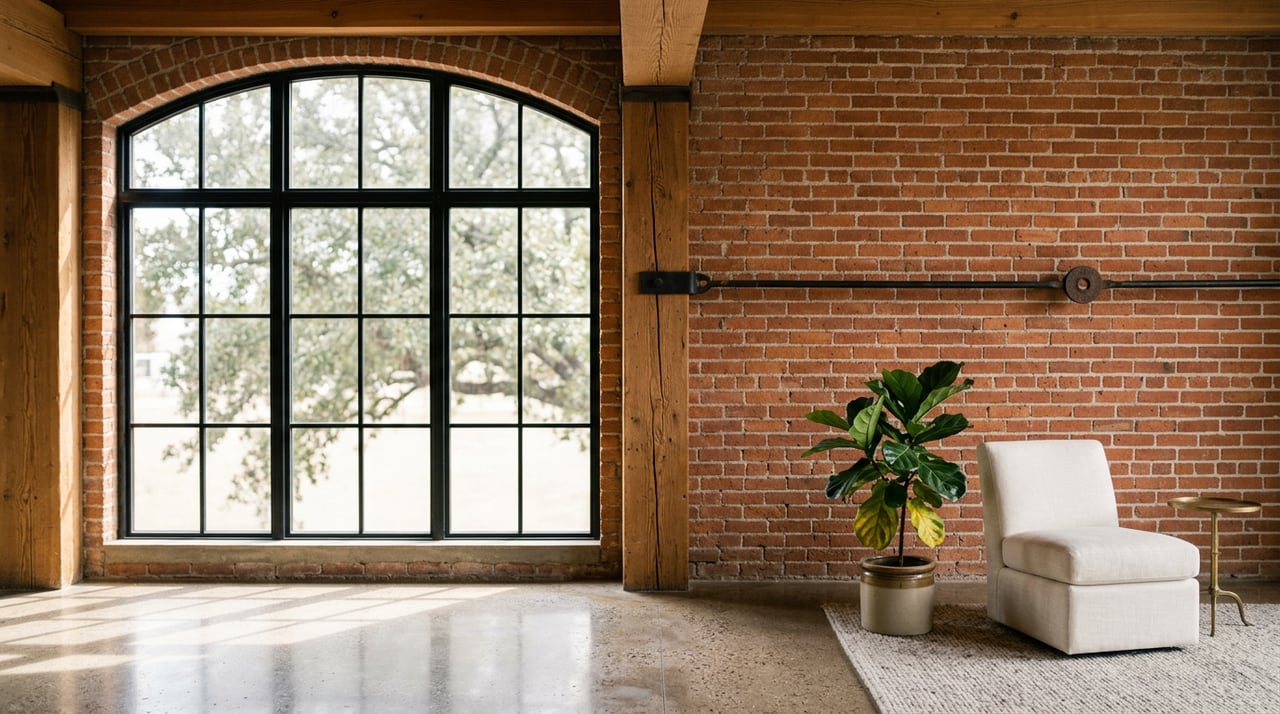
The Warehouse District's identity as a residential neighborhood did not happen by accident, and the buildings responsible for it are the same ones most likely to trip these thresholds today.
Federal Fibre Mills, built in 1904, was the first condo conversion in the district, remodeled by Historic Restoration Inc. in the wake of the 1984 World's Fair and credited as the project that sparked the neighborhood's turnaround from a stretch of abandoned industrial buildings into a residential arts district. It holds 140 privately owned units across five floors, no two laid out alike.
Cotton Mill followed as a far larger undertaking: a 323,000-square-foot former textile plant, originally built by Ambrose A. Maginnis and Sons starting in 1882, converted into 269 residential units plus 18 rooftop condominiums with AmerUs Mutual Life Insurance Company purchasing the project's historic tax credits as its equity partner. It was, by the developer's own account, the largest conversion of its kind in the Warehouse District and one of the largest in the country.
Buildings of this scale, with hundreds of units and decades of turnover, naturally accumulate a mix of long-term owners, absentee investors, and furnished short-term rentals. Some newer listings in the South Market District go further and market short-term rental permission directly to buyers, which tracks with the district's mid-week corporate travel demand tied to convention business layered on top of weekend tourism. That mix is exactly what draws buyers to the neighborhood in the first place. It is also exactly what a Fannie Mae questionnaire is built to flag.
None of this means these specific buildings are currently non-warrantable. Warrantability status is not permanent. Ownership concentration shifts, HOA boards change rental policies, and a building can move on or off the approved list within the same year. What it does mean is that buildings with this profile, large unit counts, mixed occupancy, permitted short-term rentals, are the ones where a buyer cannot assume conventional financing will simply work.
Warrantable vs. Non-Warrantable, in Practical Terms
| Warrantable Condo | Non-Warrantable Condo | |
|---|---|---|
| Buyer pool | Conventional, FHA, VA borrowers | Cash, portfolio loans, DSCR/non-QM only |
| Typical down payment | As low as 3 to 5 percent | 20 to 25 percent |
| Rate impact | Standard market pricing | Roughly 0.5 to 1.5 points above market |
| Owner-occupancy | 50 percent or higher | Often below 50 percent |
| Short-term rentals | Not permitted building-wide | Frequently permitted |
A condo listing isn't just a unit for sale. It's a slice of an entire building's financial profile, and that profile follows the buyer to the closing table.
What This Means If You're Buying or Selling Here
For buyers, the fix is simple but easy to skip: request the building's condo questionnaire before writing an offer, not after. Ask directly about owner-occupancy percentage, how many units any single owner or LLC holds, and whether the HOA's rules currently permit short-term rental. If the answers put the building outside Fannie Mae's thresholds, that is not a reason to walk away from the Warehouse District. It is a reason to line up a portfolio or DSCR lender before falling in love with a specific unit, and to budget the higher down payment into the offer from the start rather than discovering it three weeks into a contract.
For sellers, the long days-on-market figures in this neighborhood are not necessarily a signal to cut price. If a listing has sat for months, the more useful question is whether the marketing has reached the smaller pool of buyers who are actually able to close, cash buyers, investors working with DSCR products, and buyers who came in pre-qualified for portfolio lending, rather than the broader conventional buyer pool that a lower-priced single-family listing in Old Metairie or Belle Chasse might reach without friction.
This is the piece of the Warehouse District story that a median price alone will never tell you. The neighborhood's most iconic buildings became iconic precisely because they blended long-term residents with short-term rentals and investor ownership from the start. That blend is the draw. It is also the filter that decides, before a single offer is written, how many people can actually buy in.
Frequently Asked Questions
Does a non-warrantable building mean the condo is a bad investment? No. Warrantability is a lending classification, not a judgment on the property's quality or its long-term value. It affects how a purchase gets financed, not whether the building itself is sound.
How can I find out if a specific building is warrantable before I make an offer? Ask for the HOA's most recent condo questionnaire, sometimes called a Fannie Mae Form 1076 or a lender's project certification. It discloses owner-occupancy ratio, single-entity ownership concentration, rental policy, reserve funding, and any pending litigation, all in one document.
Does warrantability change over time? Yes. A building can move between warrantable and non-warrantable status as ownership shifts or HOA rental policies change. A status check from a year ago should not be treated as current.
Does this financing friction affect resale value down the road? It can shape how quickly a unit sells and who is able to buy it, since a smaller pool of qualified buyers generally means a longer marketing period. It is a separate question from the property's underlying value or condition.
Buying or selling a condo in the Warehouse District means understanding the building's financing profile as much as its floor plan. Jolí Burrell Real Estate has spent more than two decades working through exactly this kind of local complexity across Greater New Orleans. Contact us to talk through your specific building, your financing options, and what a realistic timeline looks like before you write an offer.
