A seller in the Garden District lists a Greek Revival on a live-oak-shaded block, gets an accepted offer inside two weeks, and assumes the hard part is over. Then the calendar starts slipping. A contractor's exterior repair from last spring turns out to have needed a permit nobody pulled. The termite bond lapsed eighteen months ago and nobody noticed. The buyer's lender comes back with an insurance quote so high it changes their debt-to-income math. None of this shows up in a listing description. All of it shows up in the closing date.
According to Redfin's neighborhood data, Garden District homes sold in an average of 76 days in January 2026, up from 60 days the year before. Fewer transactions closed in that window too, 13 in January 2026 compared to 29 the year before. Read together, those two figures point to something other than a simple drop in buyer interest. They point to deals that take longer to move from contract to closing, even when demand exists.
The mechanism is not buyer hesitation. It's that a Garden District sale runs on three separate clocks, and almost nobody starts all three at the same time.
Clock One: The Historic District Landmarks Commission
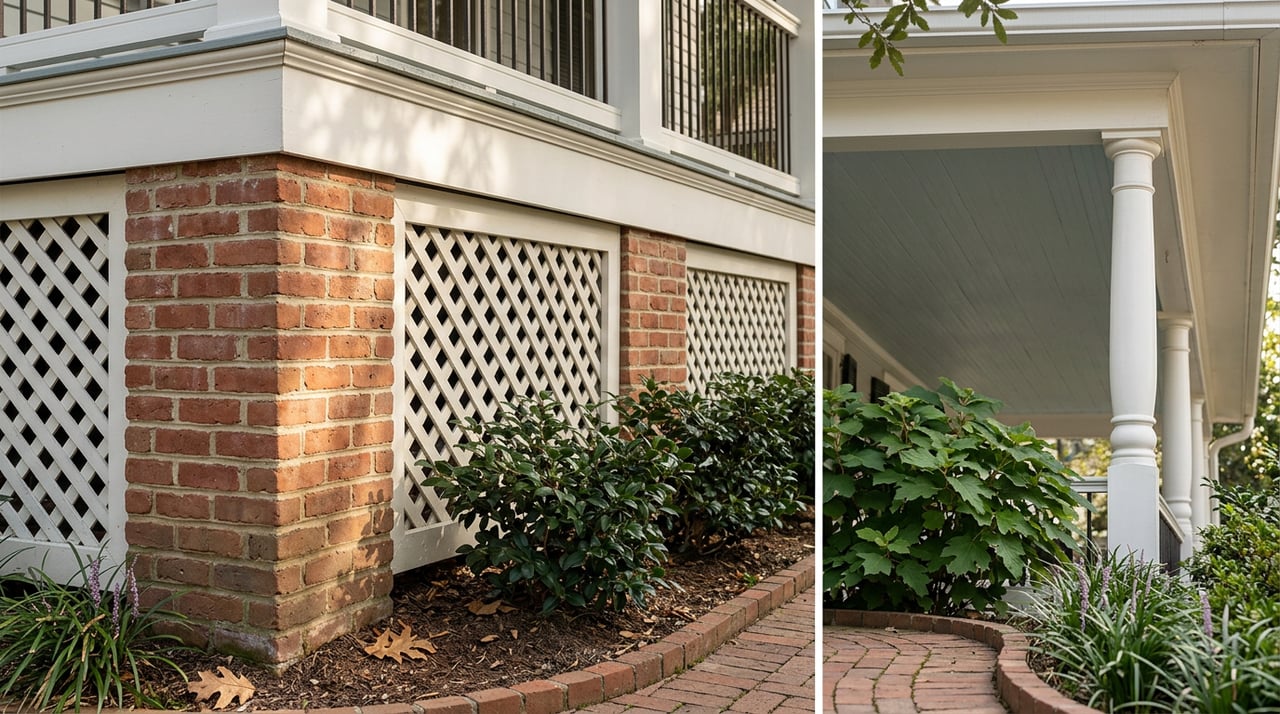
The Garden District's own historic district, as mapped by the Historic District Landmarks Commission, reaches from Magazine Street to Carondelet and from Josephine Street to Delachaise, which means it covers more of the neighborhood's side streets than the postcard image of St. Charles Avenue mansions suggests. The commission has authority over exterior work visible from the street anywhere inside that boundary, alongside similar local districts in Lower Garden District, the Marigny, Tremé, and several other neighborhoods. That authority runs deeper than most sellers expect. It is not limited to additions and new construction. On the commission's June 3, 2026 agenda, a Philip Street case involved nothing more than porch columns left unpainted and uplighting installed at the front of a contributing home.
The commission's agendas from this year show the range. An April 2026 case involved a renovation and addition to a contributing two-story home on Chestnut Street, while a separate April application asked to demolish a contributing one-story home on Third Street, the kind of request that triggers the commission's most rigorous review. In May, an application on Washington Avenue asked for permission to rebuild a deteriorated masonry wall, a surviving fragment of the historic Robb mansion that commissioners had previously required an earlier owner to preserve, and to match it to its existing condition exactly.
That last one is worth sitting with. If a wall fragment from a mansion needs commission sign-off just to be reconstructed to match itself, a seller's plan to replace a failing porch rail or swap out original windows before listing needs the same review, and that review does not happen overnight. A Certificate of Appropriateness is the instrument that makes the work legal, and depending on scope, it can move through staff-level approval quickly or require a full hearing before the nine-member commission. Demolition cases like the one on Third Street can carry a delay of up to 180 days under the city's ordinance, giving time for alternatives like structural stabilization or sale to a preservation-minded buyer. Most listing prep never gets close to that extreme, but sellers who assume exterior repairs are a weekend project are the ones who end up explaining a permit gap to a title company mid-contract.
Clock Two: The Termite Bond
New Orleans sits in what pest control professionals call Termite Alley, and the Formosan subterranean termite is the reason the city's relationship with its own building stock is so different from almost anywhere else. The species did not arrive until after World War II, likely on a cargo ship from Asia, and the French Quarter absorbed the worst of it first. By 2001 the damage was serious enough that the U.S. Department of Agriculture launched Operation Full Stop specifically to bring the population down, treating landmark structures like the Cabildo as part of the effort.
The Garden District's housing stock, much of it built well before that infestation ever began, carries the same exposure today. A single mature Formosan colony can consume up to 13 ounces of wood a day, according to the LSU AgCenter, and unlike native termites, they stay active through the winter. That is why a termite bond, the annual service contract that covers inspection and retreatment, functions less like an amenity and more like a prerequisite. Lenders typically require a wood-destroying organism inspection before closing, and if a seller's bond has lapsed or an inspector finds active activity, arranging treatment and getting a clean report reissued is not something that happens in the days before closing. It is a clock that needs to start the moment a seller decides to list, not after an offer is accepted.
A current, transferable bond is also one of the few things a seller can hand a buyer that immediately answers the question every buyer of an older New Orleans home is quietly asking.
Clock Three: The Insurance Quote
This is the clock that catches buyers, not sellers, off guard, and it can end a deal that has already cleared inspection and appraisal. One Louisiana mortgage lender described a client whose initial homeowners insurance quote came back so high it knocked them out of qualifying for the loan entirely. Shopping for a second quote, and adjusting contents coverage, restored their approval. That is not a hypothetical. It is a documented pattern specific to older housing stock in coastal, flood-exposed markets like New Orleans.
Estimates for what that insurance actually costs vary enormously depending on who is measuring and what they are measuring. One 2026 industry estimate put the average New Orleans homeowners policy at roughly $2,600 a year citywide, while another priced a $300,000 dwelling policy with a $500 deductible at $6,739, and a third put typical New Orleans premiums between $5,000 and $6,700. The spread itself is the point: a Garden District home's actual premium depends on roof age and material, wiring type, and prior claims pulled from a shared industry loss database, which means two buyers on the same block can get very different numbers from the same carrier. Because insurance cost feeds directly into a buyer's debt-to-income ratio, a quote that arrives late in the process can force a renegotiation of price or terms that has nothing to do with the house's condition and everything to do with paperwork nobody requested early enough.
Why the Clocks Compound Instead of Running in Parallel
None of these three processes are unusual on their own. What extends a Garden District closing is that they rarely start at the same time. A seller might handle the termite bond the week they list, wait for an offer before touching a needed COA for a repair, and never think about the buyer's insurance quote at all, because it isn't technically the seller's problem. Each clock, run in sequence rather than in parallel, adds its own delay on top of the last one. That is a more specific explanation for 76 days than "the market is soft," and it's one a seller can actually act on.
The sequence that avoids the pileup looks like this:
- Confirm the termite bond is current and transferable before listing, not after an offer.
- Pull permit history on any exterior work done in the last several years, and if repairs are planned before listing, submit for a Certificate of Appropriateness early rather than assuming paint and porch work are exempt.
- Get a preliminary insurance estimate on the property before it goes live, so a serious buyer's lender isn't blindsided six weeks into the contract.
None of this changes what the house is worth. It changes whether the accepted offer actually reaches the closing table on the date everyone agreed to.
Frequently Asked Questions
Does every exterior repair on a Garden District home need commission approval? Routine in-kind repairs, like replacing deteriorated wood siding with matching wood siding, can often qualify for staff-level administrative approval. Alterations, additions, fences, and window replacement generally require a full Certificate of Appropriateness, and window replacement in particular is closely reviewed because the commission's guidelines discourage substituting vinyl or aluminum for original wood.
What happens if a termite bond lapses right before closing? The lender's required wood-destroying organism inspection will likely flag it, and if any activity is found, treatment needs to happen before the report can be reissued clean. Formosan colonies do not pause for cooler months, so a lapsed bond found late in a transaction is a real scheduling problem, not a paperwork formality.
Can an insurance quote actually derail a sale that already has a signed contract? Yes. If a buyer's insurance premium comes back high enough to shift their debt-to-income ratio past what their loan program allows, their approval can be affected even after inspection and appraisal are complete. Getting a preliminary quote earlier in the process gives everyone time to adjust before it becomes a closing-week emergency.
Selling or buying a home with this much history behind it takes more than a listing photo and a sign in the yard. It takes knowing which approvals to start early, which numbers to ask about before they surprise anyone, and how to keep three separate timelines moving at once instead of one after another. Jolí Burrell Real Estate has spent more than two decades doing exactly that work across Greater New Orleans. If you're weighing a move in the Garden District, reach out and let's map out the sequence before it maps itself out for you.
